

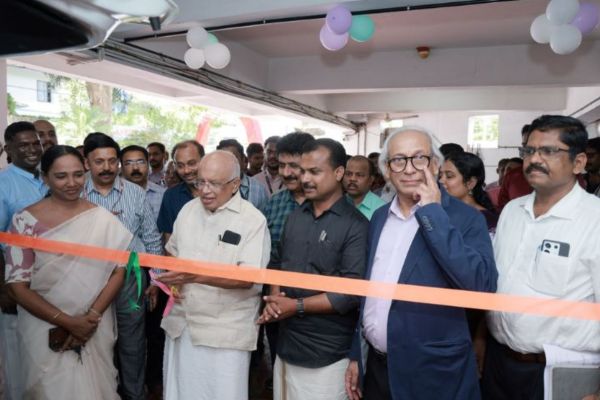
Kerala took a major leap today in its electric mobility push, as the state government, via ANERT and KSEBL, unveiled a unified EV charging platform along with India’s first pilot for Vehicle‑to‑Grid (V2G) technology, marking a milestone in sustainable energy integration.
State Electricity Minister K. Krishnan Kutty announced that the V2G pilot will see retrofitted Tata Nexon EVs equipped with bidirectional charging, enabling them not only to draw power from the grid but also to feed surplus electricity back—essentially acting as mobile energy storage units to help balance supply and demand.
The V2G system capitalises on Kerala’s daytime renewable generation—especially solar—with power prices as low as ₹2.50 per unit. Under the initiative, EVs can store excess renewable energy and discharge it during peak hours or supply homes during power outages, offering financial incentives to owners .
Alongside V2G, the state launched EZ4EV, its unified EV charging app. Developed internally by ANERT, the platform offers real‑time charger availability, trip planning features, tariff‑based billing, and access to 18 public charging stations without third‑party charges. A new AC customer lounge at ANERT headquarters complements this digital rollout, with air conditioning, Wi‑Fi, refreshments, and basic amenities for drivers during charging.
Further reinforcing Kerala’s charging infrastructure, the government is partnering with agencies to add charging stations across parking lots, government offices, and transit hubs. A pilot of 2,000 charging units, including fast chargers, is also underway in collaboration with ESYGO and COSTECH, targeting coverage by 2030.
Experts say Kerala’s V2G project could become a national template. By turning EVs into decentralized grid support systems, it supports renewable integration, reduces peak load strain, and offers new owner income streams. However, enabling bi-directional charging at scale will require updated grid protocols, clear tariff regulations, and supportive policies.

