
Electric vehicles are becoming a norm rather than a thing of the future. You see them in cities, on highways, and even in small towns. People choose EVs over ICE vehicles because they are cleaner for the environment and cheaper to run in the long term.
However, like any vehicle, they can still break down. The difference is that when an electric vehicle stops working, the solution is not always the same as with a petrol or diesel car. This is where the towing industry is changing.
In the past, roadside assistance depended mostly on phone calls and manual dispatch. Drivers had to explain where they were, describe the issue, and wait without clear updates. Today, things are moving in a different direction. Smart apps, better tracking systems, and improved coordination are making EV towing more organized and faster. As the number of electric vehicles rises, roadside services are adjusting to meet new expectations.
EV Towing Requires a Different Approach
Towing an electric vehicle is not as simple as towing a traditional car. EVs are built differently. They have large battery packs placed underneath the vehicle and electric motors instead of engines. Because of this structure, improper towing can cause serious damage.
For example, many electric vehicles cannot be pulled with two wheels on the ground. Doing so may affect the motor system. Instead, they often require flatbed towing. This means towing companies must know the exact vehicle type before sending help. A small mistake in handling can lead to costly repairs. That is why better coordination and clearer information sharing have become necessary in EV roadside assistance.
Real-Time Location Sharing Reduces Stress
One of the biggest improvements in modern towing services is real-time location tracking. In earlier days, drivers had to explain their position using landmarks or road signs. This often caused delays, especially at night or in remote areas. Now, mobile apps automatically detect the driver’s exact location and send it directly to the towing company.
This simple change has reduced confusion and waiting times. Drivers can also track the approaching tow truck on a map. Watching the vehicle move closer brings a sense of relief during a stressful situation. For EV drivers who may be worried about a rapidly draining battery, clear updates matter even more. Knowing that help is on the way makes the experience less overwhelming.
Smarter Dispatch Makes Service Faster
Towing companies are also improving how they assign jobs. Instead of relying only on manual decisions, systems now look at traffic conditions, distance, and truck availability before selecting a driver. This helps reduce unnecessary delays.
For example, if there is heavy traffic in one direction, the system can choose a different truck that can reach the location faster. Some companies also review past service data to understand where breakdowns happen more often. If certain highways frequently report EV battery issues due to long distances between charging stations, tow trucks can be positioned closer to those areas. This kind of planning makes roadside support more dependable.
Vehicle Alerts Help Prevent Breakdowns
Modern electric vehicles are equipped with systems that constantly monitor battery health and performance. These systems can detect early signs of trouble. Instead of waiting for a complete failure, drivers may receive warnings before the situation becomes serious.
Roadside services are beginning to connect with these vehicle alerts. If a battery issue or overheating problem is detected, drivers can be guided toward nearby charging stations. In more serious cases, assistance can be requested immediately through the app. This reduces the number of sudden breakdowns and helps drivers stay safer on the road. Prevention is becoming just as important as response.
Tow Truck Apps Make Everything Easier
Tow truck apps developed by reliable tow truck app development company have changed the way people request roadside assistance. Instead of making long phone calls, drivers can just open an app and confirm their location. They can select their vehicle type and explain the issue within minutes. The extensive and confusing process feels clear and organized.
Payment has also become simpler. Many services now offer digital payment options directly through the tow truck app. Some companies provide yearly or monthly roadside support plans. This means drivers can pay in advance. So, they no longer have to worry about unexpected costs during an emergency. This is even more helpful if you are taking it for a family member who panics in case of any road emergency, such as running out of fuel. These changes may seem small, but together they make roadside assistance feel more reliable and less stressful.
Charging Support Is Becoming Part of Towing Services
Electric vehicles introduce a new type of roadside need. Sometimes the problem is not mechanical failure but simply a drained battery. In such cases, towing may not always be necessary. Instead, mobile charging services are being introduced in some areas.
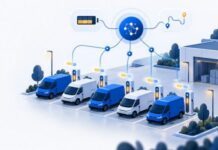
These charging vans travel to the electric vehicle’s location and provide enough power for the driver to reach the nearest charging station. This modern approach for EVs saves time and reduces the need for full towing. It also shows how roadside assistance is adjusting to the specific needs of EV owners. As charging networks continue to expand, this type of support may become more common.
Cleaner Tow Trucks Reflect Changing Priorities
As people choose electric vehicles for environmental reasons, towing companies are also considering cleaner options. Some providers are adding electric tow trucks to their fleets. While this shift is still gradual, it reflects a larger change in thinking.
Electric tow trucks reduce fuel costs and lower emissions. Although they are not yet widely used everywhere, they represent the direction the industry may move toward in the coming years. The goal is not only to assist electric vehicles but also to operate in a way that supports environmental responsibility.
Ongoing Challenges in EV Roadside Assistance
Despite many improvements, challenges with EV roadside assistance still remain. Charging infrastructure is not equally available in all regions. In rural or remote areas, EV drivers may depend heavily on towing support because charging stations are far apart.
Another issue is training. Tow truck operators must understand how to handle electric vehicles properly. Without proper knowledge, there is a risk of damaging sensitive components. In addition, since mobile apps collect location and vehicle information, companies must ensure strong data protection. Drivers need to feel confident that their personal information is secure. These challenges show that while progress is clear, there is still work to be done.
Key Takeaway
Today, roadside assistance is not just phone calls and long waits without updates. Real-time tracking, better dispatch coordination, vehicle alerts, tow truck mobile apps, and even EV mobile charging solutions are improving the overall electric vehicle experience.
As EVs continue to grow in number, tow truck services are also adapting to cater to the evolving technology. For drivers, this means fewer worries during unexpected situations. Similarly, for towing companies, it creates opportunities to offer better service and stay relevant in a changing automotive world.