
Rural India stands at the crossroads of transformation, where tradition meets technology and sustainability becomes central to growth. Among the many innovations reshaping the rural economy, electric tractors have emerged as one of the most promising. Combining clean energy, cost efficiency, and advanced technology, they hold the potential to revolutionize Indian agriculture and uplift millions of farmers who form the backbone of the nation’s economy.
The Changing Face of Indian Agriculture
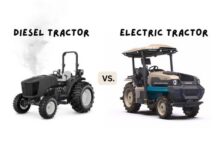
Agriculture is the livelihood of nearly half of India’s population, yet the sector continues to face rising challenges. Increasing fuel prices, shrinking profit margins, soil degradation, and climate change have placed immense pressure on farmers. Diesel-powered tractors, though instrumental in mechanizing Indian agriculture, are costly to operate and environmentally harmful.
This is where electric tractors can make a real difference. By offering a cleaner, quieter, and more cost-effective alternative, they have the potential to redefine the economics of farming and bring sustainable progress to rural communities.
A Cost-Effective Solution for Farmers
One of the biggest advantages of electric tractors is their affordability in the long run. Traditional diesel tractors require regular refueling, oil changes, and frequent maintenance, which add up to significant expenses. Electric tractors, on the other hand, have fewer moving parts, require minimal maintenance, and can be charged using renewable energy sources like solar panels.
For small and marginal farmers who form the majority of India’s agricultural workforce, this translates into substantial savings. Lower operating costs can directly improve farm profitability, reduce financial stress, and enable reinvestment in better seeds, irrigation, or technology. Moreover, government subsidies and incentives for electric mobility are making these tractors increasingly accessible to rural buyers.
Boosting Rural Sustainability
Electric tractors align perfectly with India’s commitment to sustainability and clean energy. They produce zero tailpipe emissions, helping reduce air pollution and greenhouse gases that contribute to climate change. By replacing diesel with electricity, farmers can help cut the carbon footprint of agriculture while improving local air quality.
In rural areas where solar power is gaining traction, electric tractors can be charged through renewable energy systems, creating a self-sustaining energy loop. This not only reduces dependence on imported fuel but also supports India’s goal of achieving energy independence. The integration of solar-powered charging stations across villages can further strengthen rural infrastructure and promote green livelihoods.
Empowering Rural Communities
Beyond environmental benefits, electric tractors can empower rural communities socially and economically. Their quiet operation reduces noise pollution, creating a more peaceful environment. Lightweight models are easier to handle, making them more accessible for women and older farmers.
Furthermore, as the adoption of electric tractors grows, it will generate new employment opportunities in the rural economy. Local technicians, charging station operators, and maintenance service providers will become an essential part of this emerging ecosystem. Electric tractor manufacturing and assembly can also boost rural entrepreneurship, encouraging local innovation and skill development.
The Road to Widespread Adoption
Despite their advantages, electric tractors face challenges that must be addressed for large-scale adoption. The initial cost remains relatively high, and charging infrastructure is still limited in many rural regions. Battery life and performance in diverse weather and terrain conditions are areas that require continuous improvement.
However, these challenges are not insurmountable. As battery technology advances and manufacturing scales up, prices are expected to decrease. Public-private partnerships, government support through schemes like FAME, and localized solar charging infrastructure can accelerate adoption. The entry of Indian startups and major tractor manufacturers into the electric mobility space signals a positive shift toward sustainable farming practices.
Conclusion
Electric tractors have the power to transform rural India by making farming more profitable, sustainable, and future-ready. They represent a unique intersection of innovation, affordability, and environmental responsibility. For a country striving to empower its farmers while reducing its carbon footprint, electric tractors offer the ideal solution.
By embracing this clean energy revolution, rural India can not only enhance agricultural productivity but also lead the global movement toward green farming. Electric tractors are more than a technological innovation; they are the driving force behind a more sustainable, self-reliant, and prosperous rural India.