
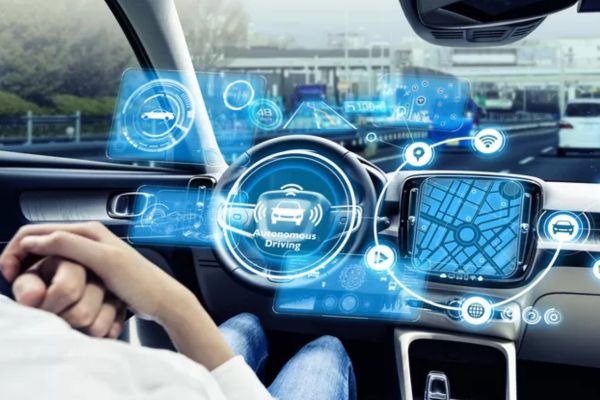
The automotive industry is experiencing a major shift as vehicles become smarter, safer, and more connected. At the center of this transformation are automotive electronics and autonomous driving technologies. These innovations are changing how vehicles operate and how drivers interact with them.
Modern vehicles are no longer just mechanical machines. They are complex systems powered by software, sensors, and electronic components. Autonomous driving technologies build on this foundation by enabling vehicles to perform tasks with limited or no human intervention. Together, these advancements are shaping the future of mobility.
Evolution of Automotive Electronics
Automotive electronics have evolved from simple control systems to advanced digital platforms. Earlier vehicles used basic electronic components for functions such as ignition and lighting. Over time, electronic control units were introduced to manage critical operations like engine performance and braking.
Today, vehicles include a wide range of electronic systems that handle everything from navigation and entertainment to safety and connectivity. These systems are interconnected through internal networks that allow seamless communication between different components.
This evolution has improved vehicle efficiency, reduced emissions, and enhanced the overall driving experience. As technology continues to advance, electronics are becoming even more central to vehicle design and functionality.
Role of Sensors and Data Processing
Sensors are essential for both automotive electronics and autonomous driving systems. They collect real time data about the vehicle’s surroundings, including road conditions, nearby objects, and traffic patterns. Common sensors include cameras, radar, and lidar.
This data is processed by onboard computers that analyze the environment and support decision making. For example, sensors can detect obstacles, measure distances, and identify lane markings. The system then uses this information to guide the vehicle safely.
Efficient data processing is critical for ensuring accurate and timely responses. Advanced processors and software algorithms enable vehicles to handle large volumes of data and make quick decisions.
Advanced Driver Assistance Systems
Advanced driver assistance systems are a key step toward autonomous driving. These systems are designed to support drivers by improving safety and reducing the risk of accidents.
Features such as lane keeping assistance, adaptive cruise control, and automatic emergency braking are now common in modern vehicles. These technologies help drivers maintain control and respond to potential hazards more effectively.
By combining sensors and intelligent software, these systems enhance driver awareness and provide an additional layer of safety. They also serve as a foundation for more advanced levels of automation.
Autonomous Driving Technologies
Autonomous driving technologies aim to enable vehicles to operate independently. These systems rely on a combination of artificial intelligence, sensor data, and advanced algorithms to control the vehicle.
Self driving vehicles can analyze their surroundings, make decisions, and perform actions such as steering, accelerating, and braking. This requires a high level of precision and reliability.
There are different levels of autonomy, ranging from partial assistance to fully autonomous operation. While fully autonomous vehicles are still being developed, significant progress has been made in recent years.
The adoption of these technologies has the potential to improve road safety and reduce traffic congestion by minimizing human error.
Benefits of Smart Automotive Systems
The integration of automotive electronics and autonomous technologies offers several advantages. Safety is one of the most important benefits. Advanced systems can detect potential risks and respond faster than human drivers, reducing the likelihood of accidents.
These technologies also enhance comfort and convenience. Automated features such as parking assistance and traffic management make driving easier and less stressful.
Efficiency is another key benefit. Intelligent systems optimize driving patterns, which can improve fuel efficiency and reduce emissions. This supports environmental sustainability and aligns with global efforts to promote cleaner transportation.
In addition, connected vehicles can provide real time updates and personalized services, improving the overall user experience.
Challenges and Limitations
Despite their potential, automotive electronics and autonomous driving technologies face several challenges. Ensuring safety and reliability is a major concern. Systems must perform consistently under different conditions, including poor weather and complex traffic environments.
Cybersecurity is another important issue. As vehicles become more connected, protecting data and systems from cyber threats is essential.
Regulatory frameworks are still evolving to address the complexities of autonomous driving. Governments and industry stakeholders need to establish clear guidelines to ensure safe and effective implementation.
Cost is also a factor that can limit adoption. Advanced technologies can be expensive, making it important to develop cost effective solutions for wider accessibility.
The Future of Automotive Innovation
The future of automotive electronics and autonomous driving technologies is promising. Continuous advancements in artificial intelligence, sensor technology, and connectivity will drive further innovation.
Vehicles are expected to become more intelligent and capable of handling complex driving scenarios with minimal human input. Integration with electric vehicles and smart infrastructure will create more efficient and sustainable transportation systems.
Collaboration between automotive manufacturers, technology providers, and regulators will play a key role in shaping this future. As these technologies mature, they will transform how people travel and interact with mobility solutions.
Conclusion
Automotive electronics and autonomous driving technologies are redefining the automotive industry. By combining advanced hardware and intelligent software, modern vehicles are becoming safer, more efficient, and more connected.
Although challenges remain, the progress made so far highlights the potential of these innovations. As adoption continues to grow, these technologies will play a central role in shaping the future of transportation and creating a smarter and more reliable mobility ecosystem.