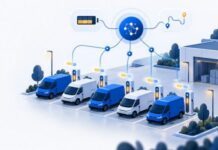

The transition toward sustainable agriculture is becoming increasingly important as farmers face rising input costs, climate variability, and pressure to reduce environmental impact. In this context, electric tractors are emerging as a transformative innovation in the agricultural sector. By replacing conventional diesel-powered machinery with electric alternatives, rural economies can move toward a cleaner, more efficient, and economically resilient future. Electric tractors not only reduce emissions but also lower operating costs and enable new opportunities for rural development.
Rising Demand for Sustainable Farm Mechanization
Agriculture continues to be the backbone of many rural economies. In India alone, the sector supports nearly 45 percent of the workforce and contributes around 15–16 percent to the national GDP. However, farm mechanization still relies heavily on diesel-powered tractors, which contribute to rising fuel expenses and environmental pollution.
India has more than 9 million tractors currently in operation, making it one of the largest tractor markets in the world. Diesel consumption by agricultural machinery significantly contributes to rural carbon emissions. According to estimates from the International Energy Agency (IEA), agriculture accounts for nearly 10 percent of global greenhouse gas emissions.
Electric tractors provide a viable solution to address these challenges. With zero tailpipe emissions and lower energy consumption, they align with the broader goals of sustainable agriculture and climate resilience.
Lower Operating Costs for Farmers
One of the most significant advantages of electric tractors is their lower operating cost compared to diesel models. Diesel prices have increased substantially in the past decade, directly affecting farmers’ profitability. In contrast, electric tractors require electricity, which is often cheaper and increasingly sourced from renewable energy.
Studies suggest that operating an electric tractor can reduce energy costs by 60–70 percent compared to diesel-powered tractors. Maintenance expenses are also significantly lower because electric tractors have fewer moving parts, no engine oil requirements, and reduced mechanical wear.
For small and marginal farmers, who make up nearly 85 percent of India’s farming community, such cost reductions can have a major impact on farm income. Over time, the savings from fuel and maintenance can help offset the higher upfront cost of electric machinery.
Environmental Benefits and Climate Impact
Electric tractors contribute directly to reducing agricultural emissions and improving air quality in rural areas. A typical diesel tractor emits approximately 2.6 kilograms of carbon dioxide per liter of diesel burned, contributing to carbon pollution and climate change.
By shifting to electric power, farmers can eliminate these emissions at the point of use. When powered by renewable energy sources such as solar or wind, electric tractors can operate with near-zero carbon emissions.
Globally, the market for electric agricultural machinery is gaining momentum. Industry projections indicate that the electric tractor market could exceed USD 3 billion by 2030, growing at a compound annual growth rate of more than 14 percent. This rapid expansion reflects growing awareness of sustainable farming technologies and supportive government policies.
Strengthening Rural Energy Ecosystems
Electric tractors also open new opportunities for decentralized energy systems in rural areas. Many farms are increasingly adopting solar power for irrigation and other operations. Integrating electric tractors into this ecosystem allows farmers to charge their equipment using solar energy generated on-site.
India has already installed more than 3 million solar-powered agricultural pumps under various government initiatives. Expanding such renewable energy infrastructure can support the charging needs of electric tractors while reducing dependence on fossil fuels.
This integration of agriculture and clean energy can create localized energy ecosystems where farms produce and consume their own power. Such models not only lower energy costs but also strengthen rural energy security.
Enabling Inclusive Rural Development
Beyond environmental and economic benefits, electric tractors can play a crucial role in enabling inclusive rural development. Their quieter operation, lower maintenance requirements, and potential for automation make them easier to operate for a broader segment of users, including women and younger farmers.
In addition, the emergence of electric farm equipment is creating new rural employment opportunities in areas such as charging infrastructure, battery servicing, and equipment maintenance. As electric mobility expands into agriculture, rural communities could benefit from new skill development and entrepreneurship opportunities.
The Road Ahead
While electric tractors are still in the early stages of adoption, their long-term potential is significant. Continued investment in battery technology, charging infrastructure, and supportive policy frameworks will be essential to accelerate adoption.
As agriculture seeks pathways toward sustainability and resilience, electric tractors represent more than just a technological upgrade. They offer a comprehensive solution that combines environmental responsibility, economic efficiency, and rural empowerment. By embracing electric farm machinery, rural communities can move closer to a future where agricultural growth and environmental sustainability go hand in hand.